
We have all looked at an old building and wondered what stories they could tell. The gently decaying, slightly sinking buildings in Venice, that stand tall and proud out of the water. The graffiti clad, boarded up million dollar tower in central Melbourne left to sit empty. My old much loved home with its slightly creaky floor boards and the whisper of a ghost at night.
In Antarctica there are many old buildings, they are not old in years but they are steeped in history and have led a harsh life exposed to Antarctic weather, wind and snow blast them all winter, then summer delivers 23 hours a day of sunlight with no ozone filter. The old walls could tell stories of expeditioners who have sat around on a Sunday afternoon talking crap and playing cards. Imagine all the arguments, the romances and the day to day interactions, how cool would it be to press rewind and observe like a fly on the wall.
I love walking around and imagining the stories…
The magnetic absolute hut is located away from the main station, because it needs to be isolated from any metal. It is constructed from zinc anneal panels that are bolted together, the original flat pack. Originally used on Heard Island it was transplanted to Mawson in 1955. In summer the penguins seem to like the slight isolation of the building. This building is still in use and houses the magnetic observation equipment, monitoring the exact location of true North and watching for magnetic disturbances.
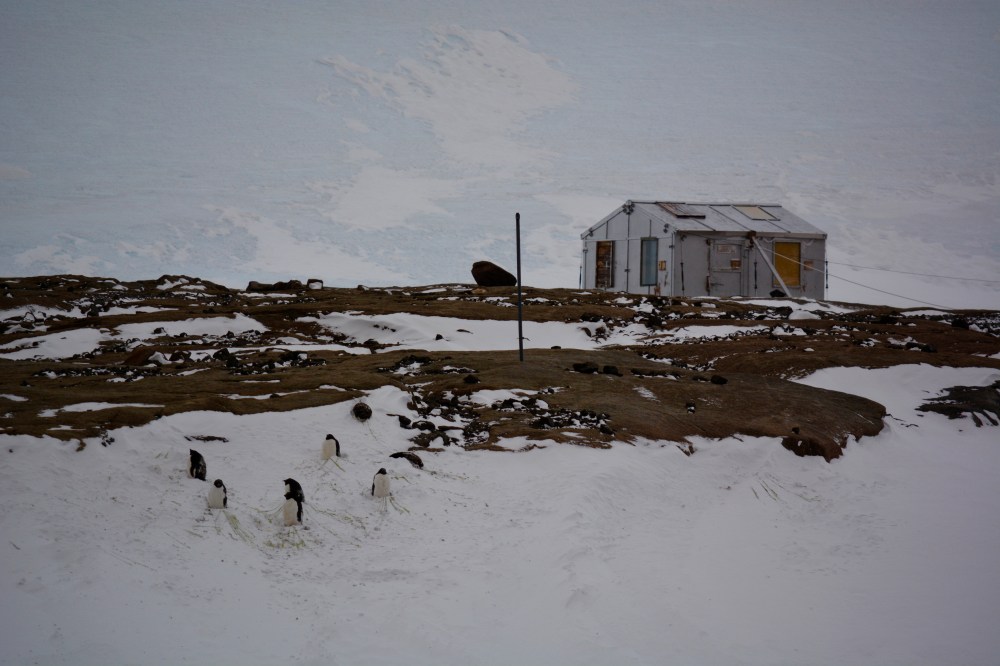
Wombat was built in 1973 and is the science lab it is still used occasionally as a laboratory but most recently as a salami curing building. Wombat is filled with the relics of peoples lives. Old lockers, diaries and notebooks can be found just lying around like some-one went for a cup of tea and didn’t return. Posters of Tasmanian wildlife are hung on the walls. Fume cupboards are fully set up and neatly labelled with dishes ready for fishy specimens. The couches are itchy wool berber, nicely saggy in the middle inviting you to sit and spend a little time.
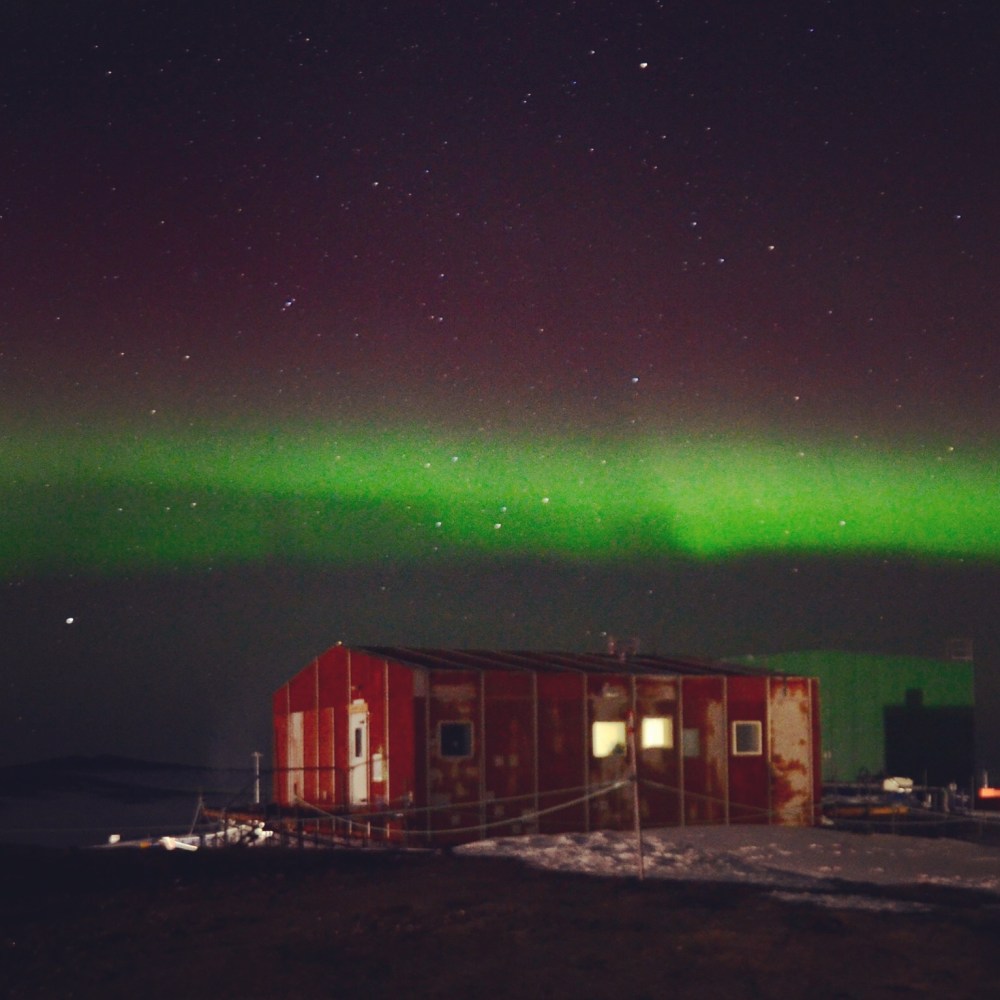
The ‘old station’ is a combination of buildings mostly flat pack but some made of a mixture of materials. The old station is close to the waterfront, located just below the new station living quarters. The original expeditioners built the huts after landing, and while some have been refurbished for use , Biscoe is a music room. Some like the old living quarters remain the same as when people moved out many years ago. There are names scratched onto walls and it is an insight into the toughness and determination of the expedition’s in years gone by. Tiny little cubicles are separated by curtain, no privacy for the 12 – 14 months that the men were living here.
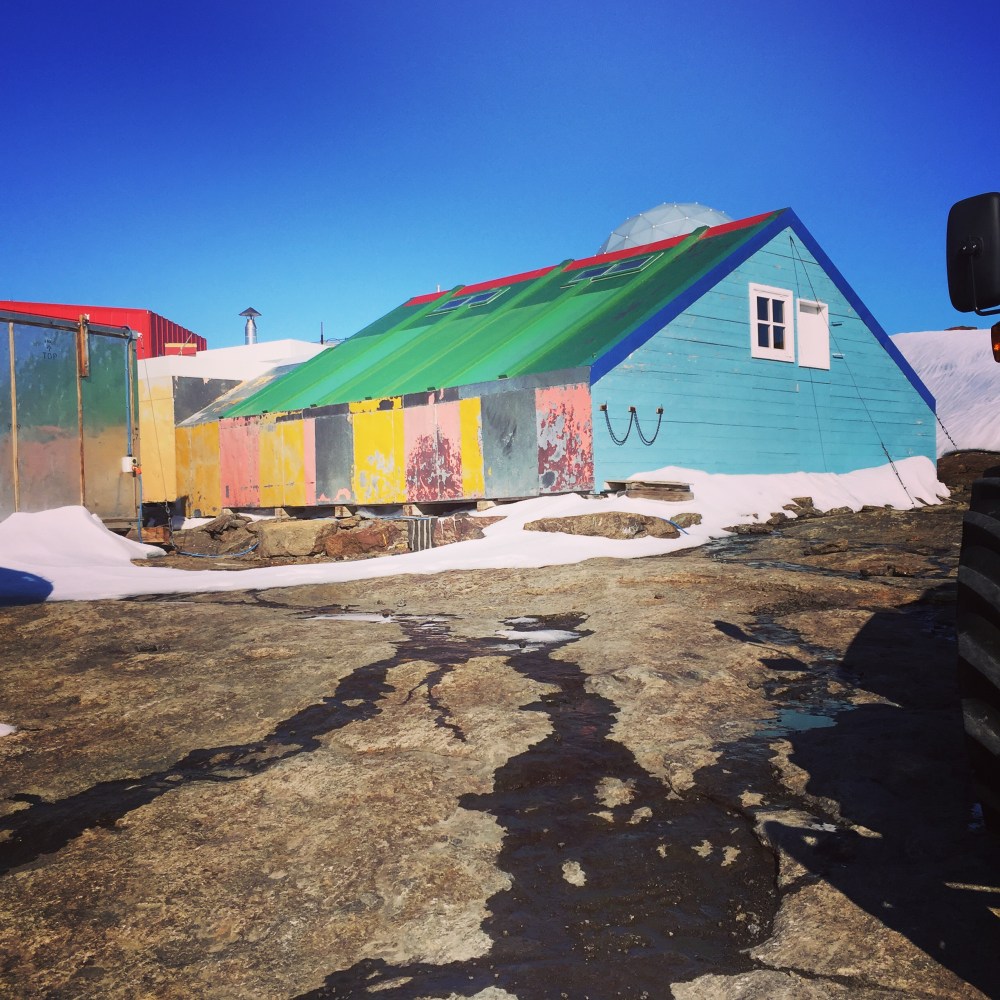
The hanger was built in 1956 and sits right on the waterfront, originally built for (obviously) aircraft storage but according to the station log it is also where the huskies got to hang out when they were ill. It is a useful storage place for all sorts of goodies now, long canes that we use as route markers on the glacier, high tech fuel spill absorbent material in case of a spill, old pieces of steel left over from projects that have been completed.

It is a privilege to be able to explore these buildings to watch them as they stand defiant against the weather. To reflect on how quickly times have changed, from flat pack bolt together tin sheds to 60 years later triple glazed picture windows, fully insulated walls and central heating. The resilience and determination of those original expeditions must have been formidable.
 Jen Wressell